
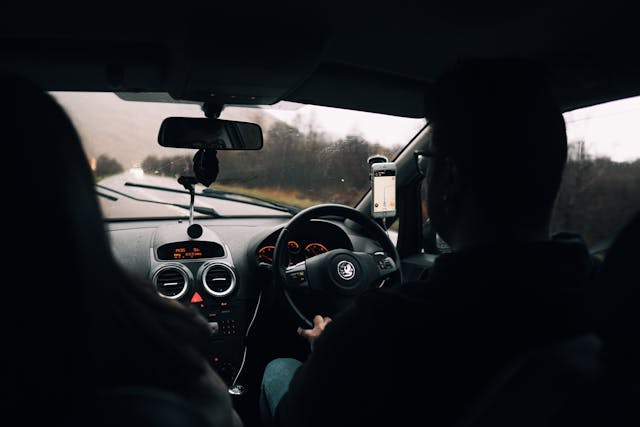
Finding the Best Driving Lessons Nearby
Starting the journey to earn your full UK driving licence is an exciting milestone that promises a profound sense of independence. Whether you are a seventeen-year-old eager to hit the road for the first time or a mature learner searching for adult driving lessons near me, the first crucial step involves finding the right guidance. If you have recently typed “driving lessons near me” into a search engine, you were likely met with an overwhelming deluge of options. How do you sift through the noise to find the perfect instructor? Let us break down everything you need to know to get behind the wheel safely and confidently.
Choosing the Right Instructor and School
When figuring out how to choose the best driving school, it pays to do a bit of homework. Not all driving classes near me are created equal, so you should focus heavily on the credentials, reputation, and teaching style of prospective instructors.
- Check Qualifications: Always ensure your tutor holds the proper DVSA approved driving instructor qualifications. A fully qualified Approved Driving Instructor (ADI) will display a green octagonal badge in their windscreen. A pink badge indicates a trainee who is still acquiring their final qualifications.
- Look at the Data: Doing a driving instructor pass rates comparison can provide a helpful baseline when narrowing down your choices. However, bear in mind that while a high pass rate is reassuring, an instructor’s patience, communication skills, and ability to put you at ease are equally vital components of a successful learning environment.
The Gearbox Debate: Automatic or Manual?
One of the most significant decisions you will make early on is whether to learn in a manual or an automatic car. Evaluating the automatic vs manual driving lessons pros and cons will help you decide which route aligns best with your needs and long-term driving goals.
- Manual Lessons: Learning in a manual vehicle has historically been the standard in the UK. It tends to be slightly cheaper and, crucially, gives you the entitlement to drive both manual and automatic cars once you pass. The downside? Mastering clutch control and gear changes takes time, coordination, and patience.
- Automatic Lessons: Automatic cars are generally easier and faster to master since you do not have to worry about stalling or finding the biting point. With the rapid rise of electric vehicles (EVs), which are inherently automatic, this option is becoming increasingly popular. The main drawback is that an automatic licence strictly restricts you to driving only automatic cars.
Budgeting for Your Motoring Journey
Learning to drive is an investment in your future. Currently, the average cost of driving lessons per hour in the UK fluctuates between £30 and £45, heavily depending on your location and the instructor’s level of experience.
To make your budget stretch further, always ask your chosen instructor about a block booking driving lessons discount. Purchasing ten or twenty hours of tuition upfront usually reduces the hourly rate significantly, saving you a tidy sum over the course of your learning journey.
If you are wondering exactly how many hours of driving lessons are needed to pass, the Driver and Vehicle Standards Agency (DVSA) suggests an average of 45 hours of professional tuition, complemented by 20 hours of private practice. Everyone learns at their own pace, however, so do not feel discouraged if you need a little longer to feel test-ready.
For those short on time, intensive driving courses for beginners offer a fast-track alternative. These intensive programmes condense months of weekly learning into just a few weeks or even days, making them ideal if you need your licence quickly for a new job or relocation.
Preparing for Day One
Nerves are completely natural when you are just starting out. Creating a solid booking your first driving lesson checklist can help settle those pre-lesson butterflies. Make sure you have your provisional licence to hand, wear comfortable, flat-soled shoes, and bring your glasses if you need them for distance vision, as you will be asked to read a vehicle number plate from 20 metres away.
So, what to expect during the first driving lesson? Your instructor will usually drive you to a quiet, safe residential street or a spacious industrial estate. You will spend the first portion of the lesson getting familiar with the “cockpit drill”—adjusting your doors, seat, steering, seatbelts, and mirrors to ensure you have maximum visibility and control.
Once you are in the driver’s seat, you will feel entirely reassured by the dual control car safety features. Your instructor will have their own set of clutch and brake pedals in the passenger footwell, allowing them to step in instantly safely if you make a mistake. You are in incredibly safe hands.
Supercharging Your Progress
To truly learn to drive efficiently and build essential muscle memory, supplementing your official lessons with private practice is highly recommended. If you plan to practise in a family member’s or friend’s car, securing learner driver insurance for private practice is a strict legal requirement. This specialised, short-term cover ensures that if a minor scrape happens while you are at the wheel, the car owner’s hard-earned no-claims bonus remains completely unaffected. Just remember that the person accompanying you must be over 21 and have held a full driving licence for the type of vehicle you are driving for at least three years.
Tackling the Practical Test
As your skills develop, the looming practical test can trigger a wave of nerves. Knowing how to overcome driving test anxiety is key to performing at your best on the big day. Deep breathing exercises, eating a banana beforehand (a classic UK instructor tip for slow-release energy and potassium to calm nerves), and consistently visualising a positive outcome can all help keep panic at bay.
One of the most effective ways to build your confidence is by experiencing the real thing beforehand. The mock driving test benefits simply cannot be overstated. By simulating test conditions—complete with a clipboard, strict marking criteria, and silence from your instructor—you can easily identify your weak spots and acclimatise to the pressure of the actual exam.
Life After Passing
Once the examiner hands over that brilliant pass certificate, your journey as a driver is really just beginning. To further hone your newfound skills, consider the pass plus course benefits for new drivers. This short, practical course takes at least six hours and covers situations rarely encountered during standard lessons, such as motorway driving, navigating rural country lanes, night driving, and dealing with extreme weather. Not only does Pass Plus make you a significantly safer, more well-rounded driver, but many insurance providers also offer substantial discounts on your first year’s car insurance premiums upon completion.
Final Thoughts
Finding the right driving tuition involves much more than simply picking the first search result for local instructors; it is about finding a supportive, professional environment where you can develop a lifelong skill safely. Whether you opt for traditional weekly lessons or a fast-paced intensive course, taking the time to research credentials, costs, and teaching styles ensures you get the absolute best value for your money. Be patient with yourself, ask plenty of questions, and before you know it, you will be tearing up those L-plates and hitting the open road with complete confidence.